Jungle camo patterns

The jungle punishes the careless. Under a dense canopy, every shadow and every shade of green decides whether you vanish or get spotted. This page brings together the camouflage patterns built for tropical and verdant environments: from the legendary Tiger Stripe to MultiCam Tropic, and on through A-TACS iX, Kamysh and Rhodesian. Explore each pattern, pin down its ideal terrain, and choose the gear that makes you disappear.
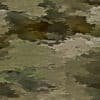
Tiger stripe

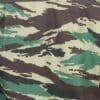
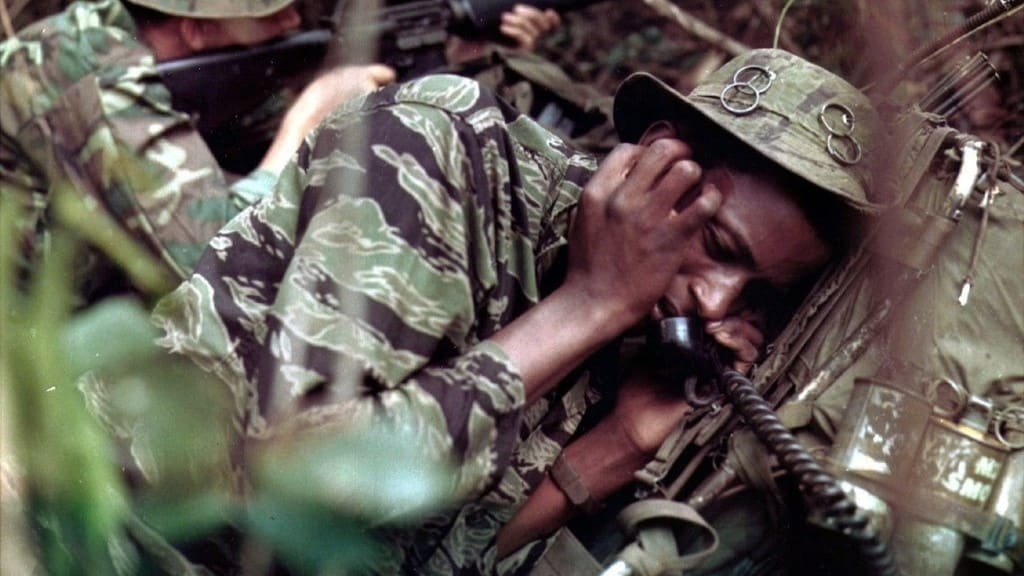
Born in the Vietnam War, Tiger Stripe lays down thick green, brown and black stripes that mimic the shadows of the canopy. It shatters the outline in dense foliage and remains a benchmark for special forces operating in the jungle.

Multicam Tropic Camo

Multicam Tropic

Designed by Crye Precision, MultiCam Tropic shifts the MultiCam palette toward deep, saturated greens. Built for lush jungle, it lowers both the visual and near-infrared signature in tropical theaters where dense vegetation dominates the whole field of view.

Atacs IX Camo

A-Tacs IX

A «pattern within a pattern» transitional design, A-TACS iX blends intermediate greens with earthy tones. Versatile by nature, it shines along jungle edges and mixed verdant terrain, where forest, undergrowth and open ground meet and shift into one another.

kamysh green

Kamysh

Russian in origin, Kamysh («reed») inherits the tiger-stripe look in green, brown and black. Its vertical lines dissolve into tall grasses, reed beds and humid zones rich in dense vegetation, from tropical marshes to overgrown riverbanks.

Rhodesian camo

Forged in the Rhodesian Bush War, Rhodesian Brushstroke sweeps broad green and brown brushstrokes over a tan base. It conceals you in the bush, the dry tall grass and the verdant savanna of southern Africa’s untamed backcountry.

jungle camo best sellers

Still weighing your options? Our best-sellers, across every jungle pattern, gather the gear our customers reach for most: uniforms, jackets and kit proven in the field. From the historic Tiger Stripe to the cutting-edge MultiCam Tropic, these are the references that earn their keep in verdant terrain, picked for their effectiveness, their durability and their unbeatable value.

What is jungle camouflage?

Jungle camouflage is the family of patterns built for tropical and green environments such as dense forest, humid canopy, marshland and wooded savanna. The goal isn’t to copy nature leaf for leaf. It’s to break up the human outline so it disappears into the visual noise of the foliage. A few things make that work. Disruptive shapes kill clean edges, a green-dominant palette matches the surrounding vegetation, and on newer patterns a special finish lowers the near-infrared signature that night-vision optics rely on.

Tiger stripe jungle camo

What does jungle camo look like? Colors and shapes

The palette runs on green, anywhere from moss to deep forest green, backed up by brown, black and the occasional touch of tan. Green carries the base, brown stands in for trunks and soil, and black builds the deep shadows that fake a sense of depth. The shapes range from the bold stripes of Tiger Stripe to the soft, organic blotches of modern multi-layer designs. As a rule, the denser and wetter the jungle, the more a pattern leans on saturated greens, while drier bush and forest edges call for earthier tones.

How to choose the best jungle camo pattern

There’s no single best jungle camo. The most effective pattern is the one that matches your terrain first, then your mission.

By terrain

A lush equatorial jungle, a monsoon forest, a wetland and an African savanna all read differently to the eye. Denser, greener cover wants a green-saturated pattern, while open and dry ground rewards earthier tones. The table below lines up the ideal terrain for each pattern on this page.

PatternOrigin / typeIdeal terrainBest for
Tiger StripeVietnam / stripesDense jungle, shaded foliageMovement, special forces, milsim
MultiCam TropicCrye Precision / multi-layerLush jungle, tropical forestJungle deployment, low NIR signature
A-TACS iXA-TACS / transitionalEdges, mixed verdant terrainVersatility, transitional ground
KamyshRussia / tiger stripeReed beds, wetlands, tall grassRiverbanks, marshes, ambush
Rhodesian BrushstrokeRhodesia / brushstrokeBush, savanna, dry grassSouthern Africa, verdant semi-arid terrain

british with jungle camo

By mission

On the move, heavy-striped patterns like Tiger Stripe do the best job of hiding motion. Holding a position on overwatch or in a hide, a softer transitional pattern like A-TACS iX settles into the backdrop more cleanly. Light counts too. Strong sun turns very dark shades into a flat block that gives you away, so keep the deeper tones for canopy shade.

The origins of jungle camo

Jungle camouflage starts in the Pacific theater of World War II, where US troops wore the reversible «frog skin» pattern, often called duck hunter. The idea really took shape in Vietnam, where Tiger Stripe became the look of jungle warfare. Patterns kept evolving from there, from the woodland that grew out of ERDL to today’s digital and multi-layer designs like MultiCam Tropic, which are tuned for the naked eye and infrared sensors at the same time.

FAQ about jungle camo patterns

Yes. Modern tropical patterns such as MultiCam Tropic are issued and worn for jungle deployments, and classics like Tiger Stripe are still fielded by some units and widely used in airsoft, milsim and surplus circles.

There is. Pixel-based designs apply the same green-dominant jungle logic in a digital layout, with MARPAT Woodland the best known example. Digital edges scatter the outline at distance, while traditional patterns like Tiger Stripe rely on flowing shapes up close.

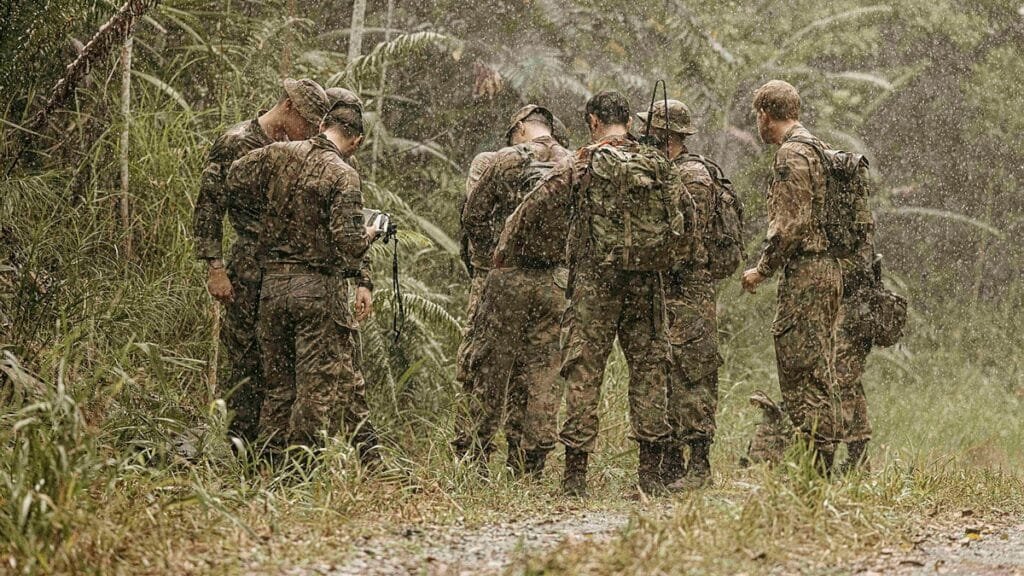
Most nations with tropical terrain or bush experience have fielded one. The United States ran frog skin and Tiger Stripe, Britain and the Netherlands issued jungle versions of DPM, and patterns like Rhodesian Brushstroke came out of southern Africa. Each one adapts the green base to its own environment.

It works well when you use it right. The pattern breaks up your shape, but stillness and good fieldcraft do the heavy lifting. Constant movement will give you away in any camo, and matching the pattern to the real terrain matters more than the brand on the label.

Enter email to save 10% off, one time use
Save 0 % now!